The Beautiful Truth About Starting Small
Here’s what nobody tells you about setting up your first home studio: it doesn’t need to look like those pristine artist spaces you see on Instagram. The most powerful creative work often happens in corners of bedrooms, on dining room tables cleared of breakfast dishes, or in basements where the lighting is terrible but the rent is free. Van Gogh painted some of his most brilliant works in cramped rooms with questionable ventilation. Georgia O’Keeffe started with a makeshift setup in her family’s boarding house. Your creative practice can begin exactly where you are right now.
Think of your first studio space as a living sketch. Just as you wouldn’t expect your initial drawing attempts to rival Michelangelo’s finished masterpieces, your workspace will evolve as you do. The key is creating a dedicated zone that signals to your brain that this is where art happens. Even if that zone is a folding table that gets packed away each night, the ritual of setting up and breaking down becomes part of your creative practice.
Start by watching how light moves through your available spaces throughout the day. North-facing windows give the most consistent natural light, which is why traditional artists’ studios prize this orientation. But don’t despair if you’re working with southern exposure or artificial lighting. Monet painted his incredible cathedral series under varying light conditions, and contemporary artists regularly work under LED panels. The goal is understanding your light so you can work with it rather than against it.
Essential Tools That Actually Matter
Forget the overwhelming supply lists that read like shopping sprees at art stores. Your first studio needs three categories of essentials: surfaces, storage, and light. Everything else can wait until you understand what kind of artist you’re becoming. A sturdy work surface matters more than expensive brushes. Good task lighting beats premium paint brands when you’re learning to see color relationships. Smart storage keeps your momentum going when inspiration strikes.
For surfaces, consider your medium and your space constraints. Watercolorists can thrive with a tilting tabletop easel and a side table for supplies. Digital artists need desk space for tablets and monitor positioning. Sculptors working in clay require surfaces that can handle moisture and mess. The common thread is stability. Your work surface should feel solid enough that you’re not fighting wobbles while trying to create. A hollow-core door placed on adjustable sawhorses makes an excellent large work surface for under fifty dollars.
Storage solutions should grow with your practice. Start with basic organization: containers for brushes, divided trays for small supplies, flat files or portfolios for finished work. The goal is creating homes for your tools so setup and cleanup become effortless. When you don’t have to hunt for supplies or worry about where to put wet paintings, you spend more energy actually creating.
Designing Your Creative Ecosystem
The most successful home studios work as complete ecosystems rather than isolated workspaces. Consider how different activities flow together: where you’ll sit to sketch ideas, where you’ll stand to work on larger pieces, where you’ll step back to evaluate work in progress. These zones don’t need to be separate rooms or even separate areas, but thinking about these activities helps you arrange your space more thoughtfully.
Visual inspiration deserves dedicated space in your studio ecosystem. Create a display area for images, color swatches, or objects that fuel your creativity. This might be a bulletin board, a magnetic strip on a wall, or simply a shelf where you can rotate objects that catch your eye. Renaissance masters filled their studios with plaster casts, fabric drapes, and interesting objects that appeared in painting after painting. Your inspiration corner works the same way, keeping visual ideas within reach when you need them.
Think about comfort and sustainability for longer work sessions. Your body needs support during extended creative periods. An adjustable stool or chair that positions you properly relative to your work prevents fatigue and injury. Good ventilation matters whether you’re working with oil paints, pastels, or even graphite. A small fan can make the difference between a space you enjoy spending time in and one you avoid.
Problem-Solving Common Space Challenges
Shared living spaces present unique opportunities for creative problem-solving. If your studio must coexist with family life, consider mobile solutions that transform ordinary furniture into creative workstations. A rolling cart can hold supplies and move wherever you need to work. A folding screen creates visual separation and doubles as a display surface for work in progress.
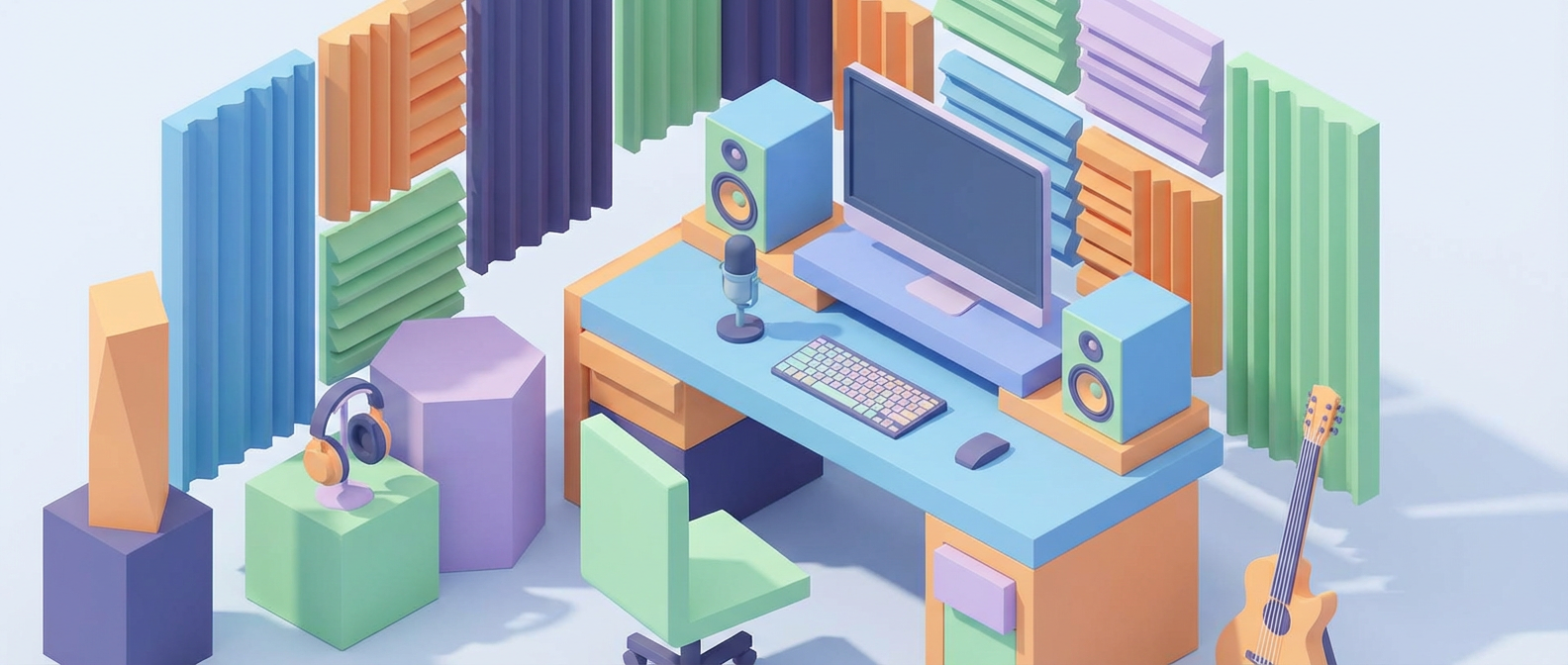
Noise concerns often limit when and how we can create. Hard surfaces amplify sound while soft materials absorb it. A small area rug under your workspace reduces noise transmission to neighbors below. Foam panels on walls aren’t just for recording studios, they also dampen the sounds of hammering, sculpting, or even enthusiastic brush washing. Consider your household’s rhythms and find windows of time when your creative activities won’t conflict with others’ needs.
Limited storage challenges every home studio artist. Vertical space often goes unused while floor space feels overcrowded. Wall-mounted shelving, pegboards for hanging tools, and under-table storage maximize your footprint. Flat storage for artwork can slide under beds or behind furniture. The key is making everything accessible without making everything visible all the time.
Making Your Space Uniquely Yours
Your studio space should reflect and support your creative voice, not Instagram’s version of what an artist’s space should look like. Maybe you work better surrounded by controlled chaos, with multiple projects visible and supplies within arm’s reach. Or perhaps you need clean, minimal surfaces to think clearly. Both approaches have produced masterful artwork throughout history. The goal is discovering what environment helps you access your most authentic creative self.
Color psychology applies to creative spaces just as it does to artwork. Cool blues and greens can enhance focus and calm, while warmer tones might energize your practice. But more important than following color rules is choosing hues that make you want to spend time in your space. Some artists prefer neutral backgrounds that won’t compete with their work, while others surround themselves with rich, saturating colors that fuel their inspiration.
Remember that your studio is a tool that supports your creativity, not an end goal in itself. The most beautiful, perfectly organized space in the world won’t make you a better artist if it intimidates you into inaction. Start where you are, use what you have, and let your space evolve alongside your artistic practice. The magic happens in the making, not in the perfection of the space where you make it.
What creative corner of your home is calling to you? I’d love to hear about your studio adventures, whether you’re transforming a closet into a painting sanctuary or claiming a corner of your kitchen table. Share your space stories and creative solutions in the comments below.