
The Death of Excuses: Why Your Perfect Studio Was Always a Myth
Let us gather today to mourn the passing of a beloved fiction: the idea that you need a perfect studio space to make meaningful art. This cherished delusion lived a long and comfortable life in the minds of countless artists, fed by glossy magazine spreads of sun-drenched lofts and Instagram posts of pristinely organized supply cabinets. It died quietly last Tuesday when I watched my neighbor create a gorgeous watercolor series on her fire escape, using nothing but a folding TV tray and a mason jar for water.

Some of history’s most powerful work emerged from cramped, improvised spaces. Basquiat painted on doors he found on the street. Van Gogh created masterpieces in a yellow house barely larger than a modern studio apartment. Georgia O’Keeffe painted her New Mexico landscapes at a card table. They understood what we often forget: the magic isn’t in the room. It’s in the relationship between your hands, your materials, and your willingness to begin.
Your first studio doesn’t need to be a shrine to creativity. It needs to be functional, accessible, and forgiving of mistakes. Think of it as a laboratory rather than a gallery, a place where you can experiment without the pressure of perfection. The corner of your bedroom works. The dining room table after dinner works. Even a wheeled cart that can move from room to room can become the foundation for serious artistic practice.
How Light Shapes Your Creative Day
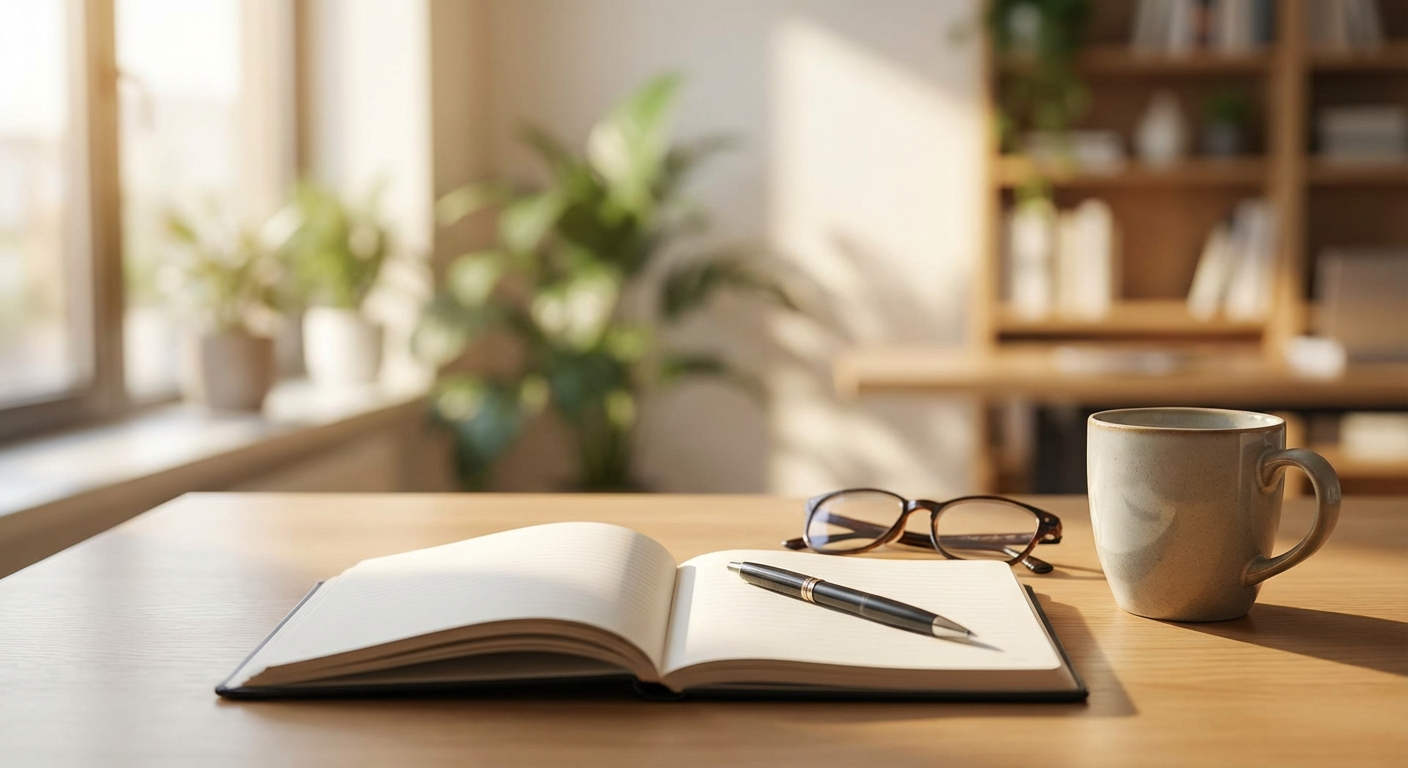
Every space has its own personality shaped by light, and learning to read these rhythms is like understanding the brushstrokes in a Vermeer painting. North-facing windows offer the holy grail of consistent, cool light that doesn’t shift dramatically throughout the day. Traditional artist studios were built with large north-facing windows for good reason, creating steady illumination that lets you see colors as they truly are, not tinted by the warm embrace of southern exposure or the dramatic mood swings of western light.
But don’t despair if your space faces south or west. The Impressionists built entire movements around chasing changing light, understanding that the golden hour transforms ordinary subjects into something transcendent. Learn your space’s light patterns like you would study the composition of a favorite painting. Notice how morning light hits your easel differently than afternoon sun. Watch where shadows fall at different times of day.
If natural light is limited, invest in quality artificial lighting that mimics daylight. A combination of overhead lighting and adjustable task lights can create a flexible environment that adapts to different media and moods. Think about your studio’s lighting as carefully as a museum curator plans gallery illumination. The difference between harsh fluorescent bulbs and full-spectrum LED lights is the difference between seeing colors through muddy water and crystal-clear glass.
Organization That Actually Works
Organization in a studio space isn’t about achieving Pinterest-worthy aesthetics. It’s about creating systems that support flow states rather than interrupting them. Think of how a medieval illuminator arranged their workspace, with different pigments within arm’s reach and brushes organized by size and purpose. Every tool had its place not for tidiness, but because interrupting creative momentum to hunt for supplies breaks the spell between artist and work.
Start with your most frequently used materials and build outward from there. Your primary palette, whether it’s watercolor tubes, charcoal sticks, or digital styluses, should live within easy reach of your dominant hand. Secondary supplies can occupy middle-distance storage, while specialty materials and reference books can live on the periphery. This creates concentric circles of accessibility that mirror the way you actually work, not the way organization blogs suggest you should work.
Vertical storage becomes your best friend in small spaces. Wall-mounted magnetic strips can hold metal tools, pegboards can organize everything from brushes to scissors, and floating shelves keep supplies visible and accessible without claiming precious horizontal real estate. Japanese woodblock artists organized their studios with every tool hanging in its designated spot, creating both functional efficiency and visual harmony.
Choosing Surfaces That Improve With Age
Your work surface will become an archaeological record of your artistic journey, accumulating layers of paint, charcoal dust, ink stains, and the ghost impressions of countless drawings. Choose materials that welcome this patina rather than fighting it. A simple wooden table develops character with each project, its scars and stains becoming a visual diary of your creative evolution.
For messy media like oil paints or printmaking inks, consider covering your surface with brown kraft paper or newsprint that can be replaced as needed. This creates a protective barrier while maintaining the tactile experience of working on paper. Glass or sealed wood surfaces work beautifully for watercolors and drawing, allowing you to wipe clean between sessions while preserving the underlying character of the surface.
Height matters more than you might think. Your work surface should allow your arm to move freely without hunching your shoulders or straining your back. This isn’t just about comfort, it affects the quality of your mark-making. Notice how calligraphers adjust their table height to allow their entire arm to participate in creating each stroke. The same principle applies whether you’re sketching portraits or mixing colors.
The Ritual of Beginning
Even in shared spaces, you can create psychological boundaries that signal the beginning and end of studio time. This might be as simple as laying out a special cloth, lighting a candle, or playing particular music that your brain associates with creative work. These rituals have the same function as the formal opening of a traditional Japanese tea ceremony, creating a mental transition from everyday consciousness to creative presence.
Consider storage solutions that allow for quick setup and breakdown if you’re working in a multipurpose space. A rolling cart, a dedicated basket, or even a vintage suitcase can hold your essential supplies and transform any surface into a studio within minutes. The key is consistency: use the same setup process each time so your brain begins to associate these actions with creative readiness.
Your studio space, however humble, becomes a portal between the mundane world and the realm of creative possibility. It doesn’t need to be large or impressive to be sacred. It simply needs to be yours, arranged according to your rhythms and responsive to your materials. What stories will your first studio hold? What paintings will remember the light from that particular window, what drawings will carry the grain of that wooden table? Set up your space with intention, work in it with presence, and trust that the art will find its way into being.