
The Magic Lives in Your Brush (But Not All Brushes Are Created Equal)
Picture this: you’re standing in the art supply aisle, overwhelmed by rows of brushes that all look mysteriously similar yet wildly different in price. Here’s what I wish someone had told me when I started: invest in three quality brushes rather than twenty mediocre ones. Your watercolor journey will thank you.
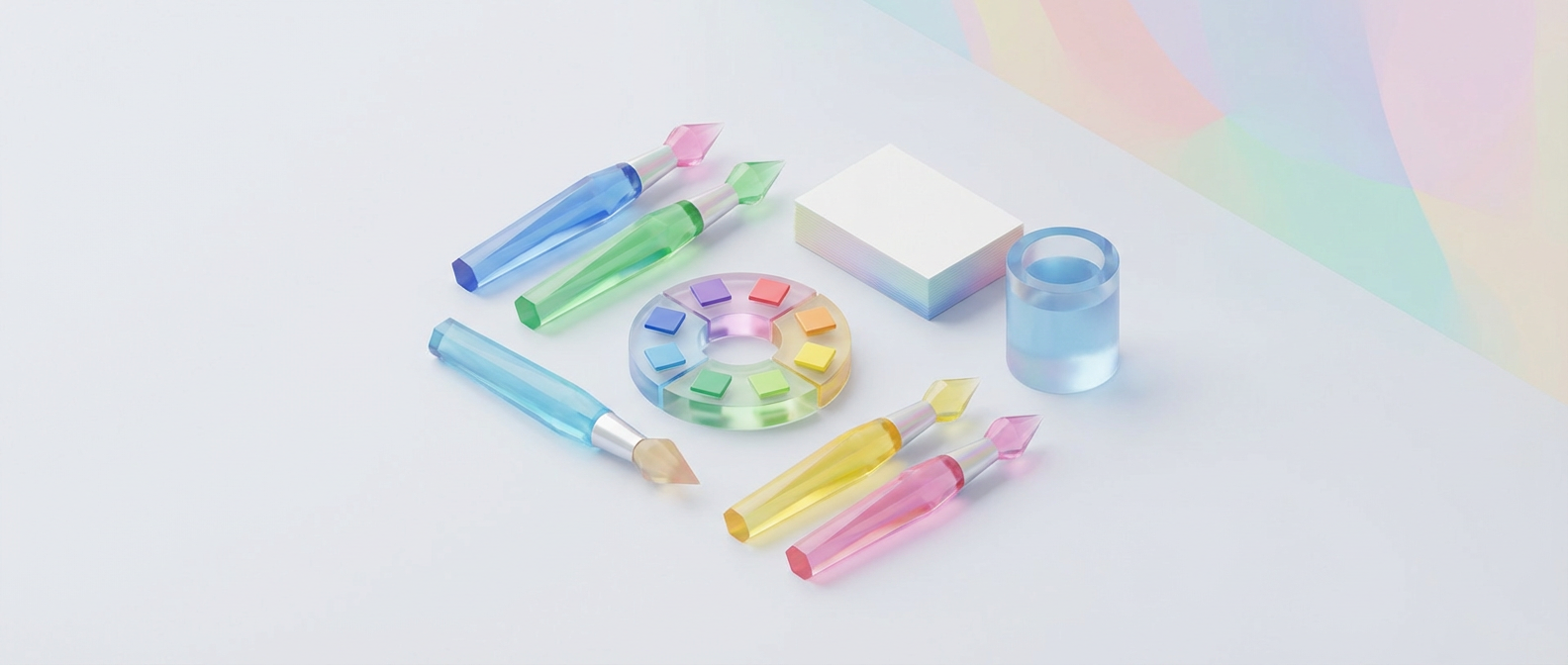
Start with a round brush in size 12 or 14. This becomes your workhorse, capable of both broad washes and surprising detail work when you use just the tip. Look for natural hair if your budget allows. Sable holds the most water and maintains its point beautifully. Synthetic brushes have improved dramatically, though, and brands like Princeton Neptune offer excellent alternatives that won’t break the bank.
Add a smaller round in size 6 for detail work and a flat brush around 1 inch wide for laying down those gorgeous, even washes that make watercolor sing. Think of Winslow Homer’s seascapes. Those luminous skies didn’t happen by accident. They came from understanding how the right brush delivers pigment to paper in exactly the way the artist envisioned.

Paper That Understands Water (Because Regular Paper Definitely Doesn’t)
Here’s where many beginners stumble, and I don’t blame them. Regular paper and watercolor have about as much compatibility as oil and water, which is to say, none at all. Watercolor paper isn’t just thicker. It’s engineered specifically to handle the unique demands of water-based pigments.
Look for paper labeled 140lb weight as your starting point. This weight strikes the perfect balance between affordability and performance. Cold-pressed paper gives you that lovely subtle texture that catches paint beautifully. Think of how Alvaro Castagnet’s architectural paintings seem to glow partly because of how his pigments settle into the paper’s grain.
Hot-pressed paper, while smoother, can be trickier for beginners since paint tends to slide around more. Rough paper offers maximum texture but can overwhelm delicate work. Start with cold-pressed, and as you develop your style, you’ll naturally gravitate toward what works best for your artistic vision.
Pigments That Sing (Understanding Your Color Companions)
Walk into any art store and you’ll find watercolor sets with 24, 36, even 48 colors. Resist this siren call. The masters worked with far fewer pigments than we have access to today, and their color mixing skills were legendary because they had to be.
Begin with a limited palette: Cadmium Yellow Light, Cadmium Red Medium, Ultramarine Blue, Burnt Umber, and Payne’s Gray. These five pigments can create an astonishing range of colors and will teach you color theory in the most practical way possible. When you mix Ultramarine Blue with Burnt Umber, you’ll discover the most beautiful range of grays, far more interesting than any pre-mixed gray could ever be.
Quality matters here more than quantity. Student-grade paints contain more binder and less pigment, which means muddier colors and less vibrancy. Professional-grade pigments cost more upfront but offer intensity and mixing capabilities that will make your paintings luminous. Think of J.M.W. Turner’s incredible atmospheric effects. Those were impossible without high-quality, transparent pigments that layer beautifully.
The Supporting Cast (Small Tools That Make Big Differences)
Every watercolorist needs a few humble heroes that don’t get much attention but make everything else possible. Natural sponges become your texture-creating allies. They lift paint, create cloud effects, and add organic patterns that brushes simply can’t achieve. Sea sponges work best because their irregular structure creates more interesting marks than synthetic versions.
Masking fluid protects your whites and light areas while you work around them. It’s like having a safety net for highlights. Cotton swabs and paper towels aren’t glamorous, but they’re necessary for lifting wet paint and creating soft edges. Keep a spray bottle nearby for rewetting areas or creating interesting backruns, those beautiful blooming effects that happen when wet paint meets damp paper.
Don’t overlook your palette. A large, white ceramic or enamel palette gives you room to mix colors properly and see them accurately. Those tiny watercolor pans that come with student sets offer nowhere near enough space for serious color mixing. Think of your palette as your composer’s keyboard. You need room to create.
Setting Up Your Creative Space (Where the Magic Actually Happens)
Your workspace doesn’t need to be a dedicated studio, but it needs to function well. Good lighting prevents color mistakes. Natural north light is ideal, but a quality daylight bulb works too. You’ll need two water containers: one for clean water, one for rinsing brushes. This simple system keeps your colors pure and prevents muddy mixtures.
Consider your surface angle. Watercolor behaves differently on flat versus tilted paper. A simple wooden board that you can adjust will give you control over how paint flows and pools. Sometimes you want gravity to help create soft, flowing washes. Other times, you need your paper flatter to maintain crisp edges and controlled details.
The beauty of watercolor lies in its immediacy and transparency, qualities that these tools are designed to preserve and enhance. Unlike oil painting, where you can endlessly rework areas, watercolor rewards confident decisions and embraces happy accidents. Your tools should support this philosophy, giving you control when you need it and stepping out of the way when intuition takes over.
Start with these basics, and you’ll discover that watercolor isn’t just about making pictures. It’s about capturing light, emotion, and fleeting moments in ways that no other medium can match. What will you paint first?