
The Revolution on Our Walls
Walk through any major city today and you’ll witness an artistic revolution unfolding on walls, buildings, and forgotten corners. What began as rebellious acts of expression in subway tunnels and abandoned warehouses has grown into something much bigger. Street art and public art movements have broken free from their underground origins to become legitimate forces in contemporary culture, tourism, and urban planning.
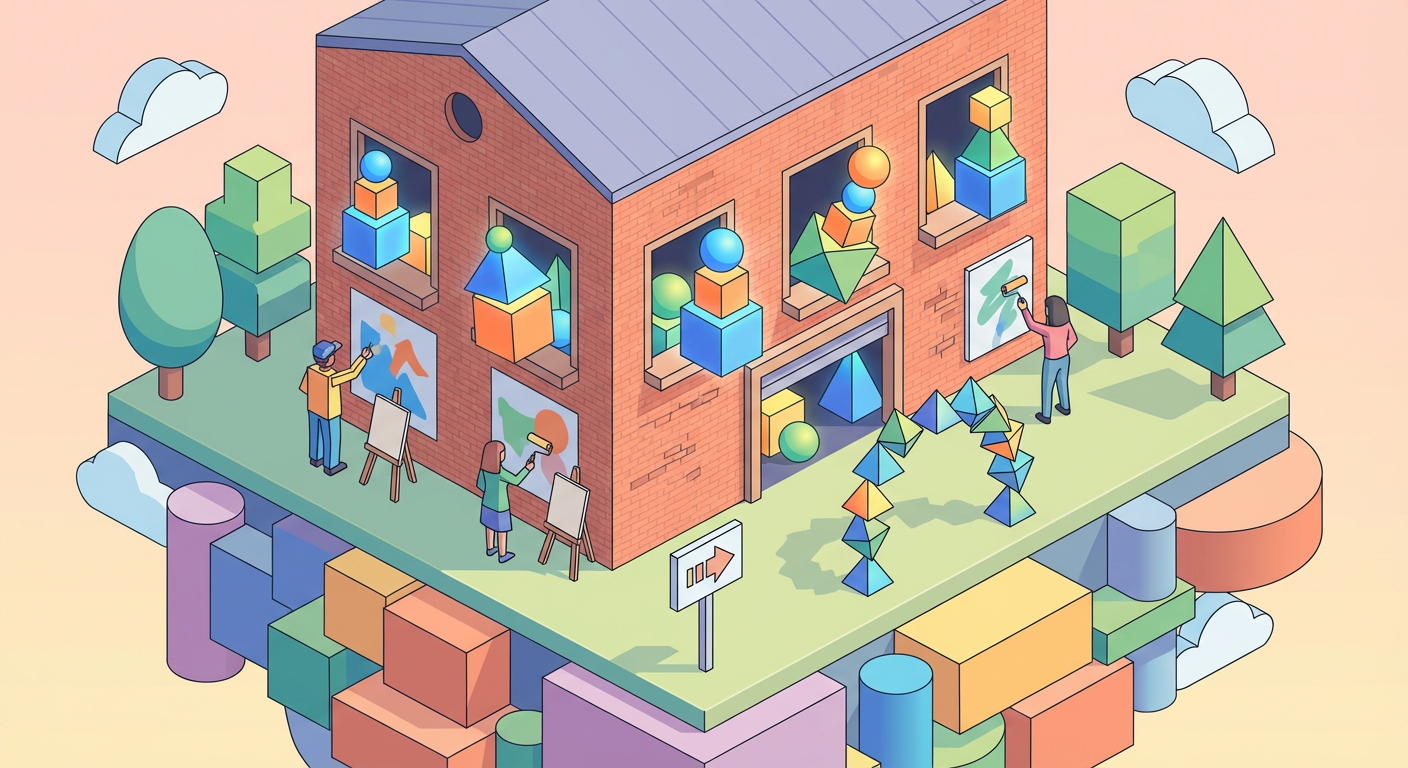
This transformation goes way beyond just aesthetic change. It shows a fundamental shift in how communities claim and define their spaces. Artists who once worked in shadows now collaborate with city planners. Neighborhoods that struggled with neglect find new identity through colorful murals. The movement has grown so influential that anonymous artists like Banksy command market values exceeding one hundred million dollars annually. That’s serious business without losing the authentic voice.
The Economics of Urban Canvas
Cities worldwide are discovering that investing in public art generates real returns. Street art tours consistently rank among the top five tourist activities in major metropolitan areas. People want authentic cultural experiences beyond traditional museums and galleries. These walking tours turn neighborhoods into open-air galleries, creating economic opportunities for local guides, businesses, and communities.
Urban regeneration projects increasingly include mural commissions replacing traditional advertising billboards and corporate signage. This shift reflects growing understanding that communities respond more positively to artistic expression than commercial messaging. Property developers and city planners recognize that well-executed public art can increase property values, attract businesses, and build neighborhood pride.
The economic impact goes beyond tourism revenue. Local artists gain legitimate income streams through commissioned works, while communities benefit from increased foot traffic and cultural prestige. Resources like Widewalls street art coverage document how this economic transformation is changing urban areas across continents.
Navigating the Creative Tension
City governments face a complex balancing act between removing unauthorized graffiti and investing in sanctioned public art projects. This tension reflects bigger questions about who controls public space and how communities define appropriate artistic expression. Some municipalities have developed smart policies that distinguish between vandalism and artistic contribution, creating designated areas where street art can flourish legally.
Progressive cities are establishing public art programs that channel the energy of street art culture into collaborative community projects. These initiatives often involve local artists in neighborhood planning processes. This ensures that public art reflects community values and aspirations rather than imposed aesthetic decisions. The most successful programs create pathways for emerging artists to transition from unsanctioned work to legitimate commissions.
This evolution requires ongoing dialogue between artists, residents, business owners, and city officials. When managed thoughtfully, this conversation produces public art that enhances rather than disrupts community life. The key lies in recognizing street art’s roots in authentic expression while channeling its power toward constructive community building.
Technology Meets Traditional Expression
Digital innovation is expanding the boundaries of what street art can accomplish. Projection mapping technology allows artists to create interactive experiences that transform static walls into dynamic canvases. These installations respond to movement, sound, or time of day. They create immersive environments that engage passersby in entirely new ways.
Artist collectives are embracing both traditional and digital techniques to reclaim abandoned spaces as temporary galleries. These pop-up installations breathe life into forgotten buildings, vacant lots, and underutilized public areas. The temporary nature of many projects adds urgency and exclusivity to the experience. People seek out these limited-time cultural encounters.
Social media platforms have amplified street art’s reach exponentially. Works that once existed only for immediate neighborhood audiences now gain international recognition through digital sharing. This connectivity has created global communities of street art enthusiasts. It has influenced how artists conceive and execute their projects, knowing their local work may achieve worldwide visibility.
Building Inclusive Cultural Spaces
The democratization of public art creation has made cultural participation more accessible than ever. Unlike traditional art institutions with admission fees and formal protocols, street art exists in everyday spaces where all community members can encounter it naturally. This accessibility breaks down barriers between art and audience. It creates opportunities for unexpected cultural encounters.
Communities use public art projects to address local issues, celebrate cultural heritage, and envision collective futures. Murals become storytelling devices that preserve neighborhood history and amplify resident voices. This grassroots approach to cultural expression empowers communities to define their own narratives rather than having external perspectives imposed upon them.
Platforms like Street Art News showcase how diverse communities worldwide are using public art to address everything from social justice to environmental concerns. These projects demonstrate street art’s capacity to function as both aesthetic enhancement and political discourse. Beautiful spaces and meaningful dialogue can definitely coexist.
The street art movement keeps changing as new voices join the conversation and innovative techniques emerge. Whether you’re discovering your first mural walk or deepening your appreciation for public art’s community impact, these creative expressions invite you to see your surroundings through fresh eyes. Every neighborhood holds stories waiting to be uncovered through the art on its walls.